Case study · E-commerce · Jodhpur
Kitchenwarewala: from WooCommerce to a fast, custom-built store
We rebuilt a 10-year-old Jodhpur kitchenware shop as a fast, custom-built store with its own admin console, secure PayU checkout and branded order emails. The migration was planned from day one around keeping its Google rankings.
Figures are from launch day, 14 November 2026.
The client and the problem
A good shop held back by its own website
Laxmi Kitchen Emporium has traded in Jodhpur for more than ten years and sells cookware, appliances and storage across India. Its WordPress and WooCommerce store ran on shared hosting. It worked, but it was slow to change and tied the owner's daily jobs to a stack of plugins.
- Speed on phones, where most Indian shoppers browse.
- No loss of Google traffic. Around a thousand pages were indexed and about ten thousand clicks a month came from search.
- Control without plugins: change prices, stock, offers and email wording without a developer.
- A clean order flow with short order numbers, packing slips and tracking emails.
- A launch at an auspicious minute, with nothing visible to the public before it.
Snapshot
- Client
- Laxmi Kitchen Emporium (Kitchenwarewala), Jodhpur
- Launch
- 14 Nov 2026, 8:30 AM IST (Labh Panchami, chosen by the client)
- Services
- Strategy, UX/UI design, front-end and back-end development, SEO migration, payments and email, analytics, launch management
What we built
Four pieces that work as one
A storefront built for speed
Custom-coded with Next.js and React and delivered through Cloudflare, so pages open quickly for shoppers across India, on a quiet afternoon and on the busiest sale day.
Custom admin console
Separate roles for the owner, manager, marketing and support, secure sign-in and a log of every change.
Orders and email
Secure PayU checkout, short order numbers and branded emails for every step, with an instant alert to the owner.
A launch built as a feature
A branded countdown page that opened the shop by itself at the client's chosen minute. Nobody had to be online, and visitors already waiting moved into the store on their own.
Inside the admin console
- Edit prices, stock, photos and SEO fields, with change history.
- Orders move from processing to packed, shipped and delivered. An order cannot be marked shipped without a courier and tracking number.
- Discount rules and delivery charges by product type.
- Email wording editable with live preview and a test-send button, while layouts stay locked.
- Plain black-and-white bill and packing slip for an office printer.
- Bulk-quote and contact enquiries in one list.
Orders, payments and email that agree
- Prices are always calculated safely on our side, never trusted from the browser.
- Payments are verified before an order is created, and a repeat notification can never produce a second order or email.
- Order numbers like
KW-26-12027are issued only when a payment succeeds, with no gaps or duplicates. - Failed-payment and cart-reminder emails rebuild the cart in one tap, sent once, with a one-click opt-out.
- Every email is tracked and sent again automatically if one fails to go out.
The storefront
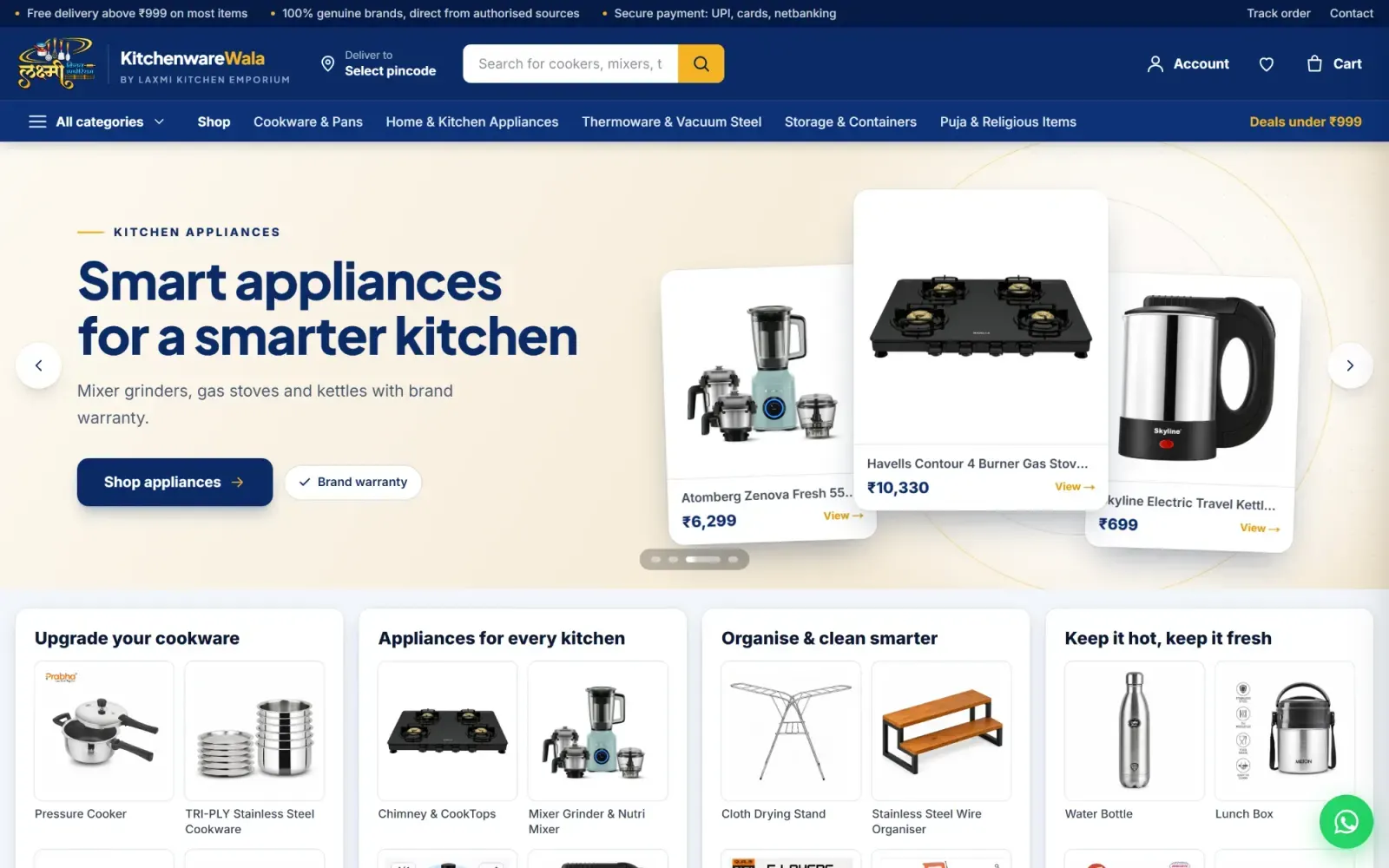
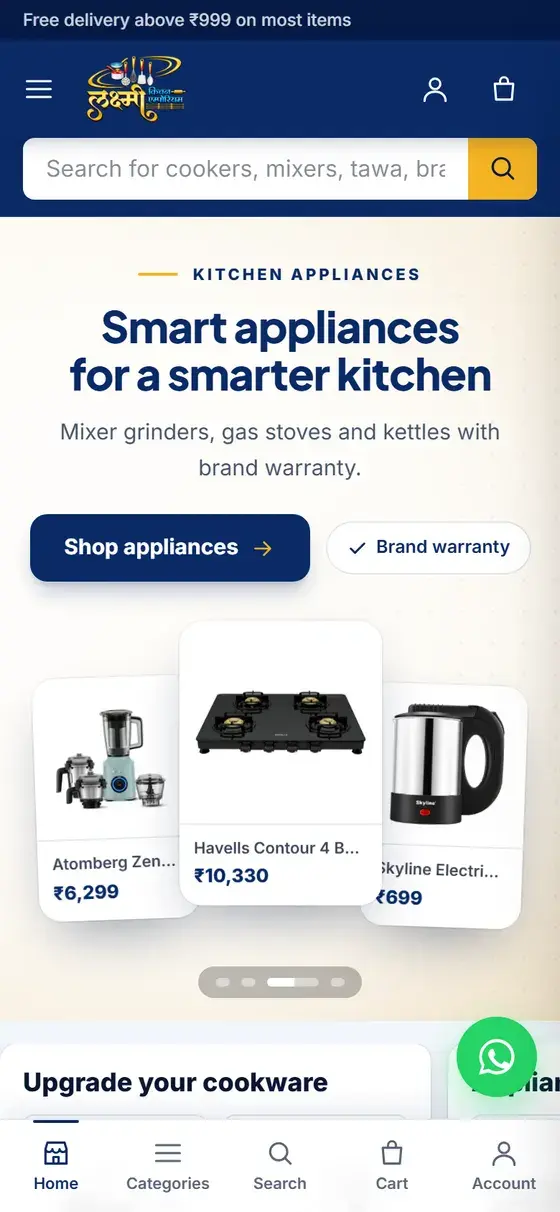
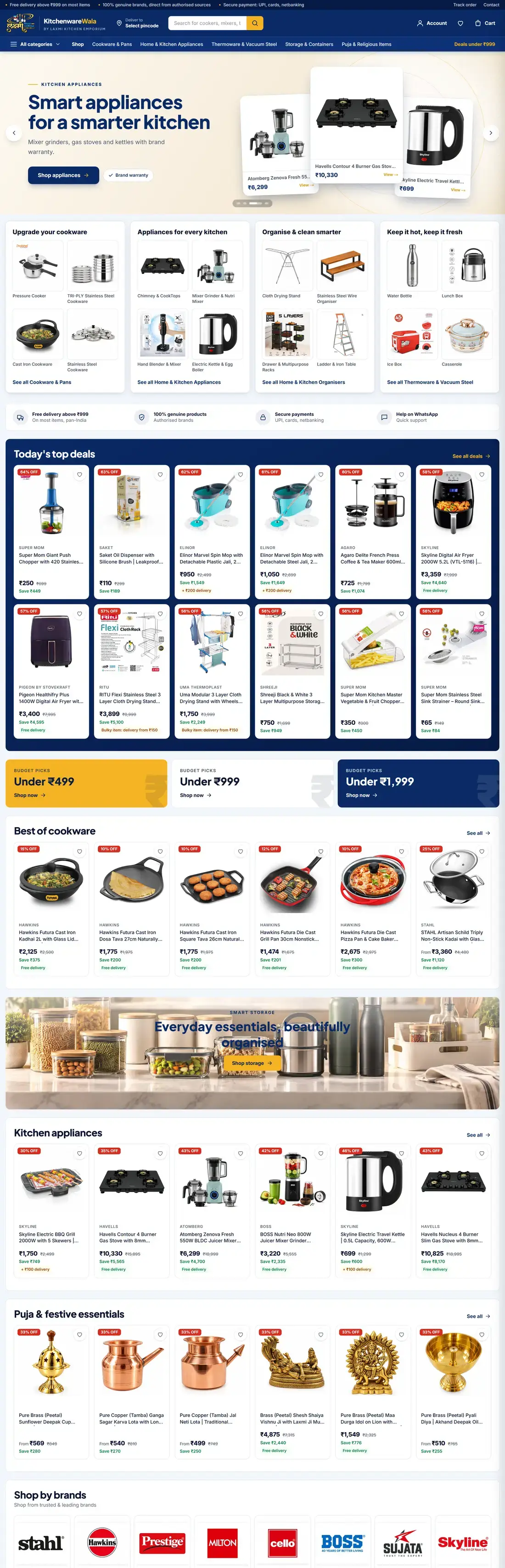
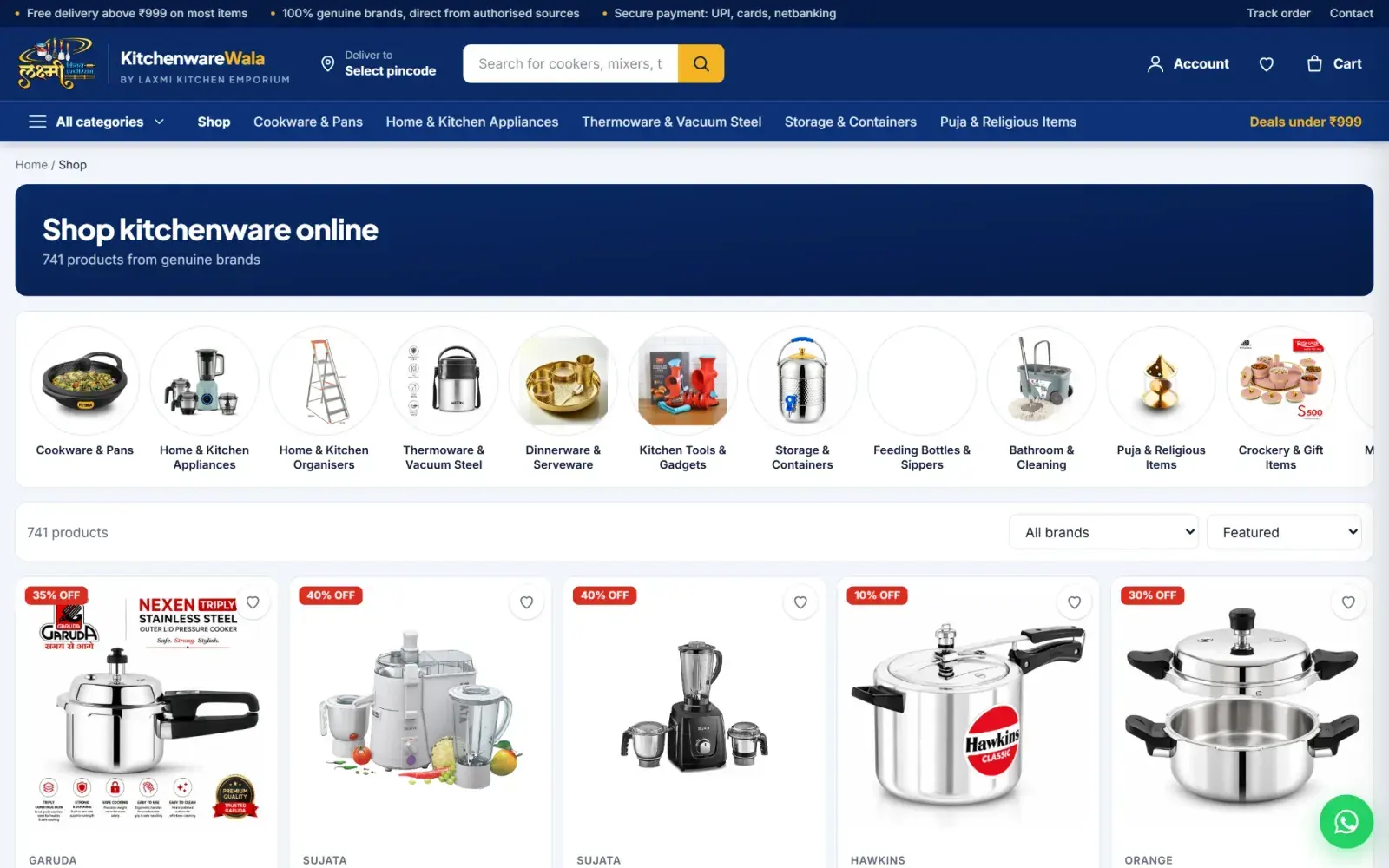
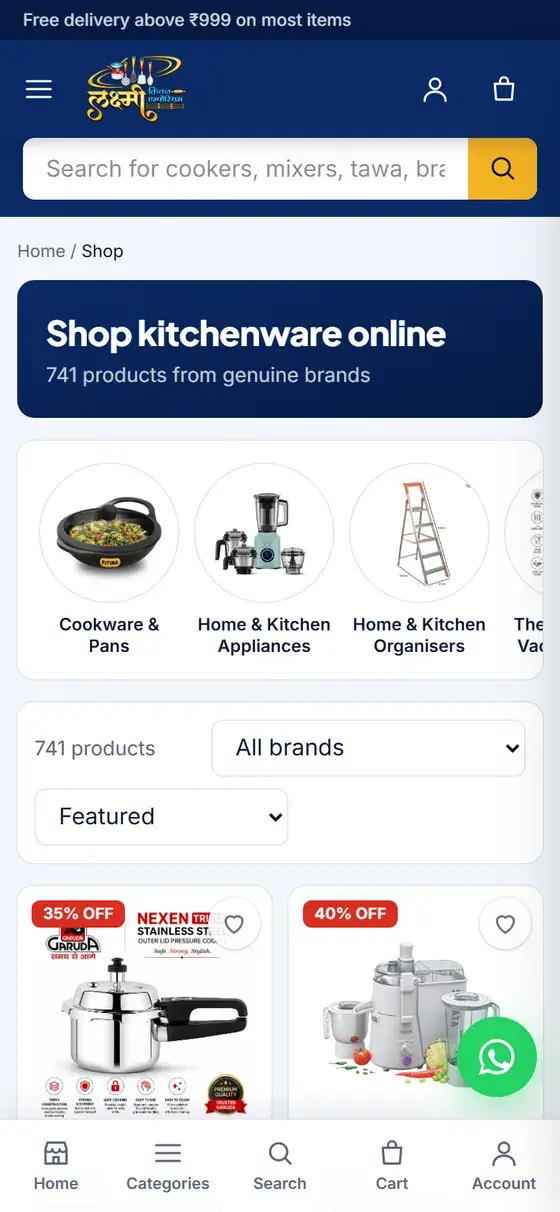
Fast to browse, easy to buy from
Hover over the browser to scroll the full home page. On a phone it plays as it comes into view.

How we protected SEO
A migration planned around rankings
A careless migration can wipe out years of Google traffic. Here is what we did to avoid that.
- Kept the same URL structure for products and categories, so existing results keep working.
- Mapped redirects from old paths, images and renamed categories to their new homes.
- Rebuilt the sitemap (about 946 addresses), page metadata and product structured data.
- Reused the same product IDs in the Google Merchant Center feed, so Shopping history carries over.
- Planned the go-live step by step, with a safe way back, and told Google the site was only briefly away.
Marketing and tracking built in
- Google Analytics 4 and Meta Pixel, plus extra purchase tracking so sales are still counted when a browser blocks tracking.
- Google Shopping and Meta catalogue feeds.
- PayU EMI option on product pages, switched on from the admin.
- Works like an app on phones and tablets.
Quality and safety
- About 1,070 automated checks before each release.
- A private test copy of the store, so changes are proven before customers see them.
- Security built in at every step, from sign-in to payment.
Challenges worth telling
Where it got interesting
A launch that protects SEO
The public saw a branded countdown while the owner and manager tested the real shop with real products. We planned for the details that are easy to miss, like the payment return page, which has to stay reachable.
Email that behaves in the real world
Our first version made customers wait too long at checkout, and a few messages were cut off. We rebuilt it so nobody waits, and checked delivery against the mail provider's own records.
Respecting the client's workflow
Plain black-and-white print documents, positive wording on the packing slip, a bill released only when the order ships. Each request became a product rule.
A moment you cannot redo
We rehearsed the opening for sleeping phones, background tabs and thousands of waiting visitors, so the moment went smoothly.
More projects
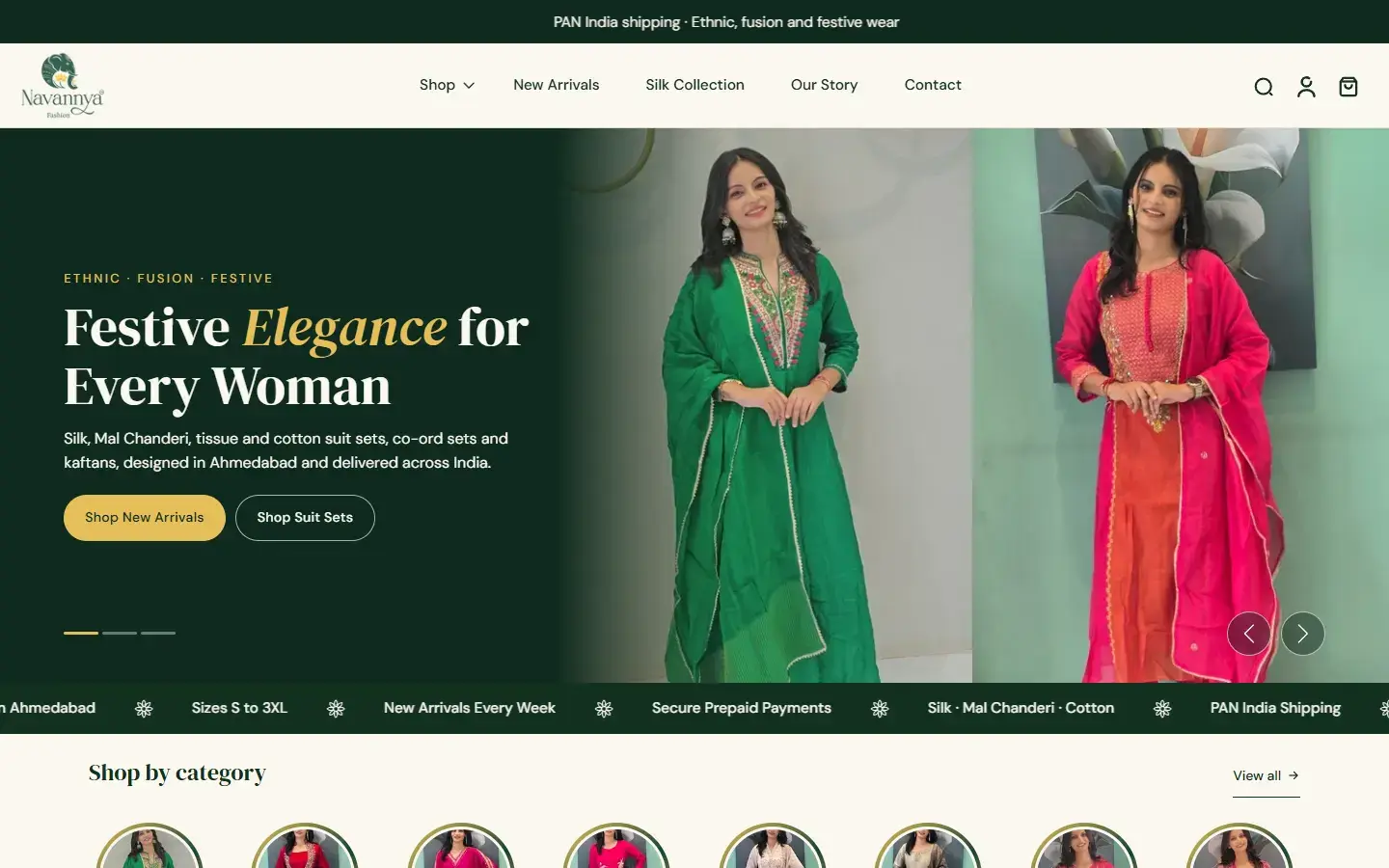
Navannya Fashion
A custom Shopify storefront for a women’s ethnic wear label in Ahmedabad, plus the Meta marketing behind every collection launch.
View case study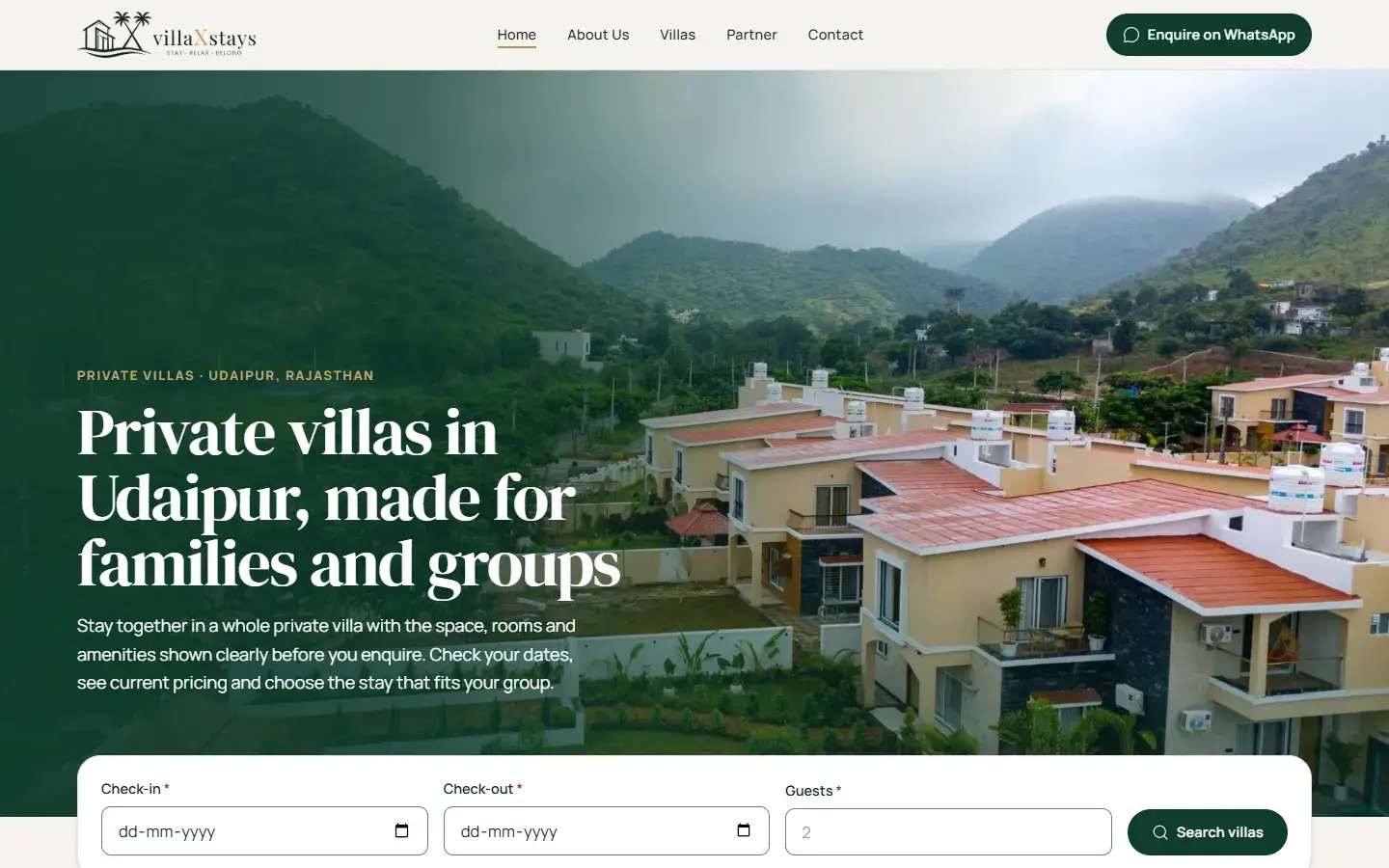
VillaXstays
A private-villa booking platform for Udaipur: date and guest search, live pricing, a synced calendar and partner funnels, backed by a custom backend.
View case study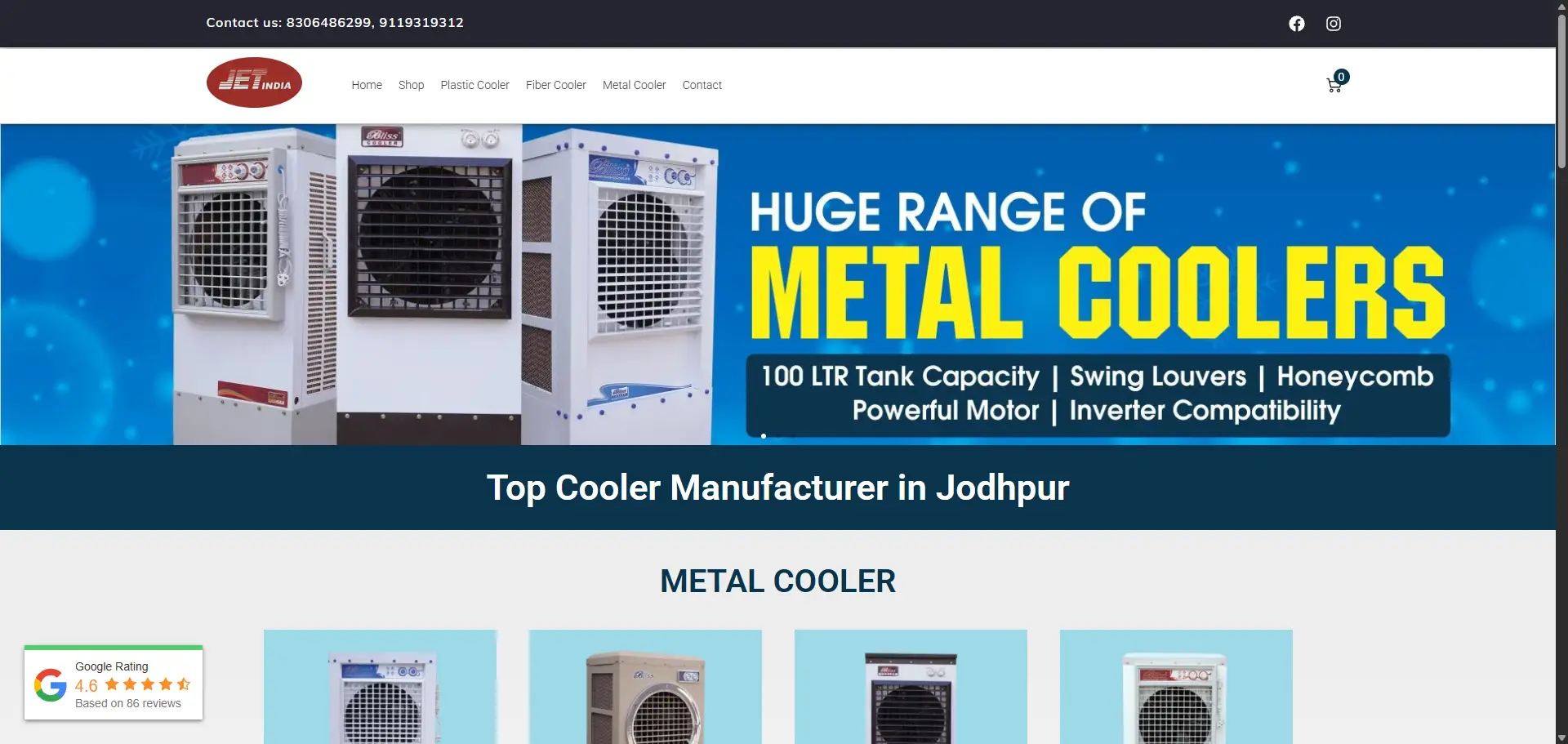
JET INDIA
An e-commerce platform for a Jodhpur cooler manufacturer, covering online sales and dealer enquiries.
View case studyMoving a WooCommerce store without losing traffic?
Tell us about your store. We will explain what a safe move looks like for your catalogue, your rankings and your team.